
The Best Movie Soundtrack: Top Cinematic Scores Ranked (2026)
Quick Answer: The Greatest Film Soundtracks
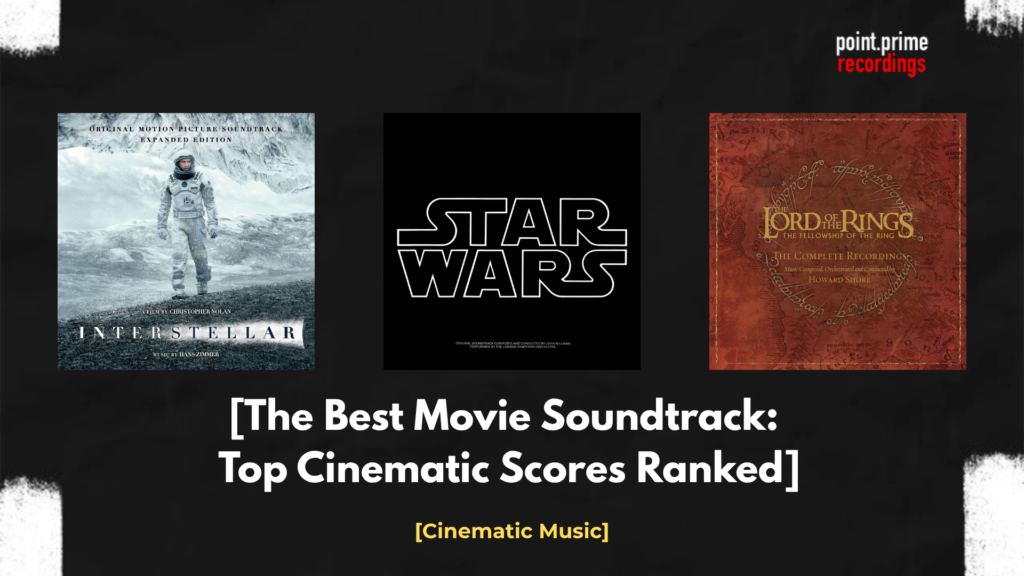
While music is subjective, audio engineers and producers universally recognize Hans Zimmer’s Interstellar for its innovative use of the 1920s pipe organ, and Howard Shore’s The Lord of the Rings for its unparalleled thematic leitmotifs.
Introduction
Audio production relies heavily on referencing the greatest film soundtracks to understand how frequency, dynamics, and orchestration manipulate human emotion. Discovering the best movie soundtracks of all time is not just about passive listening; it is about reverse-engineering the specific production techniques used by master composers. By analyzing how industry legends utilize sub-bass, orchestral density, and spatial effects, modern beatmakers can elevate their own atmospheric instrumentals. This guide breaks down the top movie soundtracks, offering a technical perspective on what makes these compositions sonically flawless.
The Ultimate Movie Soundtrack Database
When categorizing the best cinematic soundtracks, analyzing the underlying rhythm and tempo is crucial. The tempo directly dictates the on-screen tension: slower tempos allow for massive reverb tails, while faster pacing drives action sequences. The attribute table below outlines the core sonic identities of the best film music ever recorded.
| Movie Title | Composer | Signature Instrument | Emotional Vibe | Why It Works |
| Interstellar | Hans Zimmer | Temple Pipe Organ | Vast, Weightless, Ethereal | Utilizes mechanical air pressure to create a tangible sense of infinite space. |
| Star Wars | John Williams | Orchestral Brass | Triumphant, Heroic, Grand | Relies on the fanfare technique to establish immediate, memorable themes. |
| The Lord of the Rings | Howard Shore | Symphonic Strings / Choir | Mythological, Deep, Epic | Masterful use of the leitmotif to connect specific melodies to characters. |
| Gladiator | Hans Zimmer | Duduk / Cinematic Percussion | Tragic, Violent, Sweeping | Contrasts delicate ethnic woodwinds with aggressive, heavy war drums. |
| Blade Runner | Vangelis | Yamaha CS-80 Synthesizer | Dystopian, Dark, Industrial | Introduces heavy analog synthesis to replace traditional orchestral beds. |
Top 5 Iconic Movie Soundtracks Analyzed (Producer’s Breakdown)
To truly grasp why these works are considered the best movie OSTs, producers must analyze the audio spectrum and engineering choices behind them.
Interstellar (Hans Zimmer)
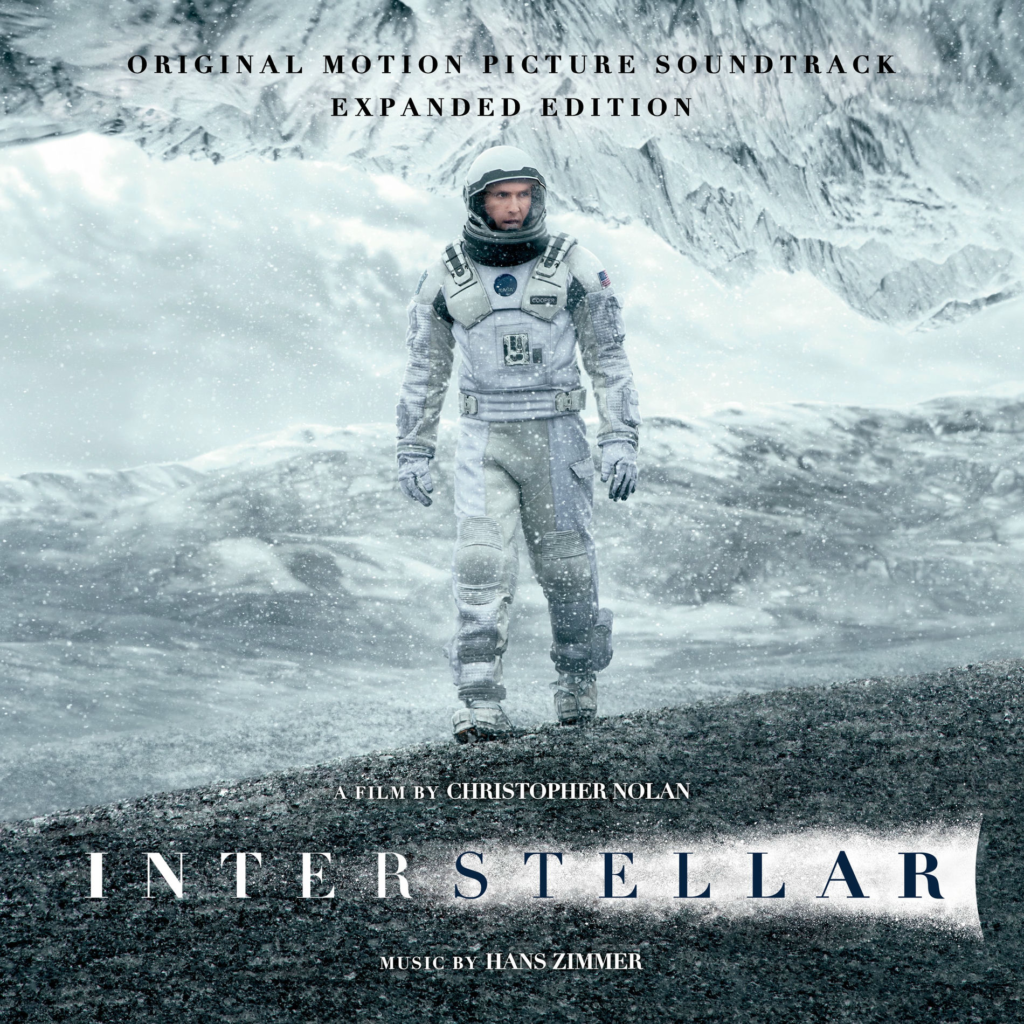
The production of the Interstellar score represents a masterclass in utilizing acoustic spaces. Hans Zimmer recorded a massive 1920s pipe organ in a London church, capturing the natural room resonance and extreme reverb tails. This recording technique created a weightless, floating atmosphere that perfectly captures the vastness of deep space travel. By relying on the physical mechanics of air moving through enormous pipes, the Interstellar score achieves a low-end depth that digital VCO oscillators often struggle to replicate.
Star Wars (John Williams)
John Williams brought the romantic, classical symphony back to modern cinema with the Star Wars franchise. The technical brilliance of this popular movie soundtrack lies in its massive dynamic range. The recording transitions from whisper-quiet woodwind sections to roaring, full-spectrum brass stabs in a matter of seconds. Controlling this level of dynamic variation requires pristine microphone placement and careful analog compression during the mixing phase. To learn more about this, please check our mixing cheat sheet.
The Lord of the Rings (Howard Shore)
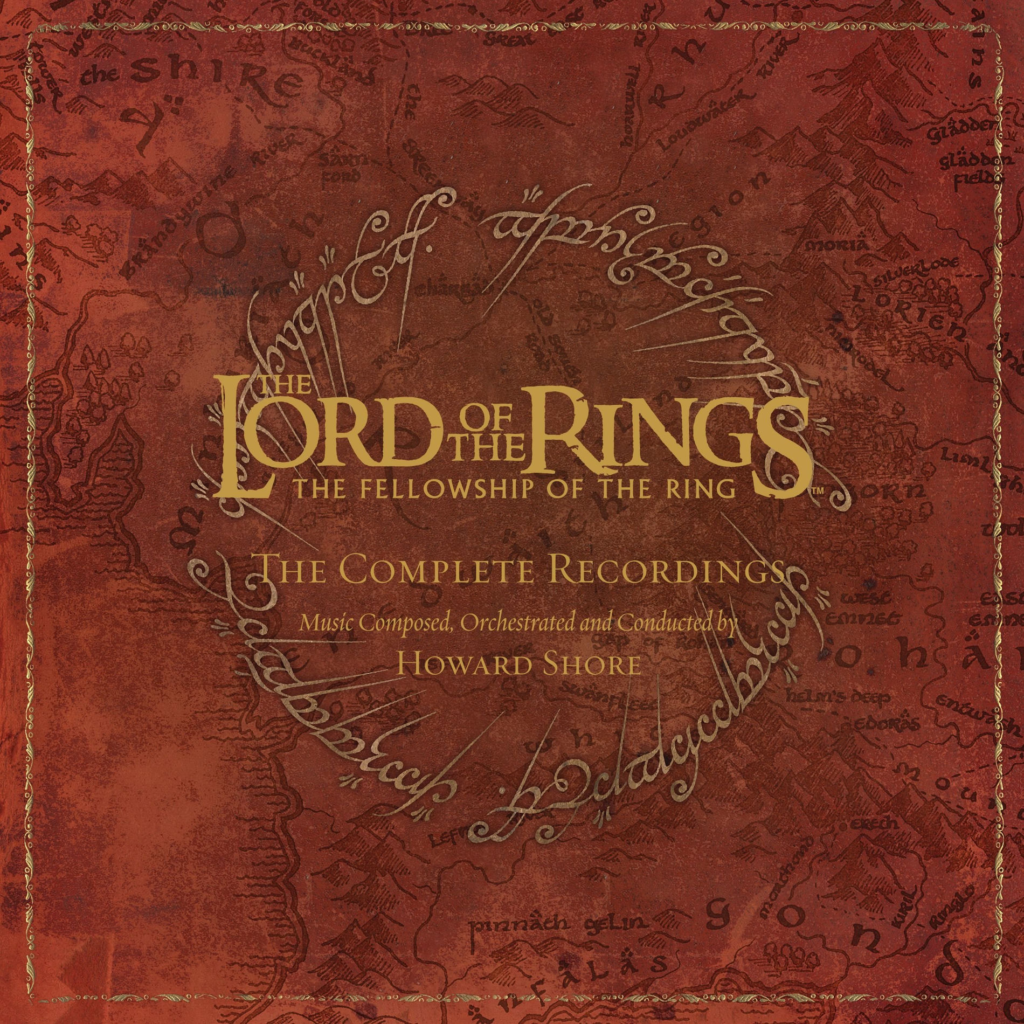
Howard Shore’s approach to Middle-earth relied heavily on the strict structural use of the leitmotif. Every culture, location, and character features a distinct musical phrase. From a production standpoint, Howard Shore achieved monumental scale through complex orchestral layering. Shore frequently stacked massive male choirs on top of low-register string sections (cellos and double basses) to create an impenetrable, thick sonic wall of mythological dread.
Gladiator (Hans Zimmer)
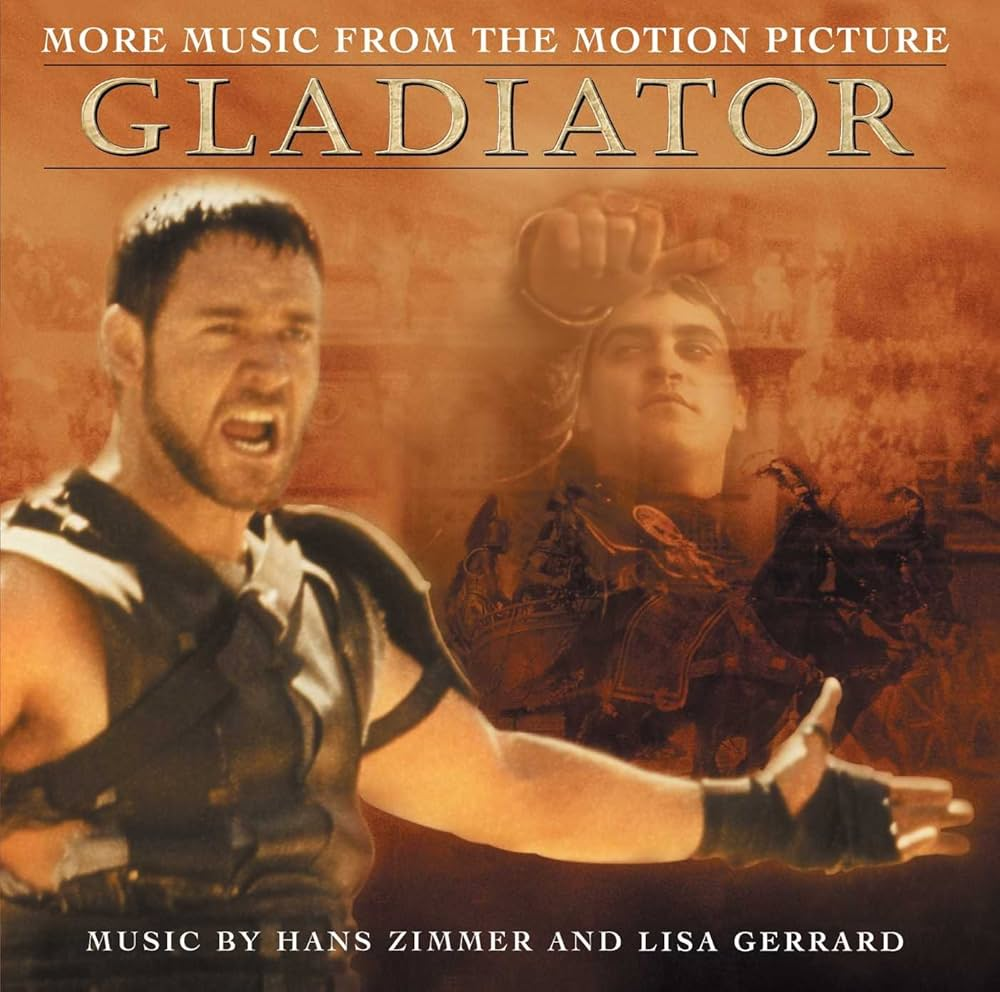
The Gladiator soundtrack is a defining example of modern hybrid-orchestral production. Hans Zimmer combined the emotional vulnerability of a solo Armenian Duduk with the brutal, transient impact of heavy cinematic percussion. Balancing roaring brass sections with pounding war drums requires a flawless static mix so the frequencies do not clash. Producers looking to replicate this massive wall of sound must ensure heavy brass elements do not mask the low-end percussion.
Blade Runner (Vangelis)
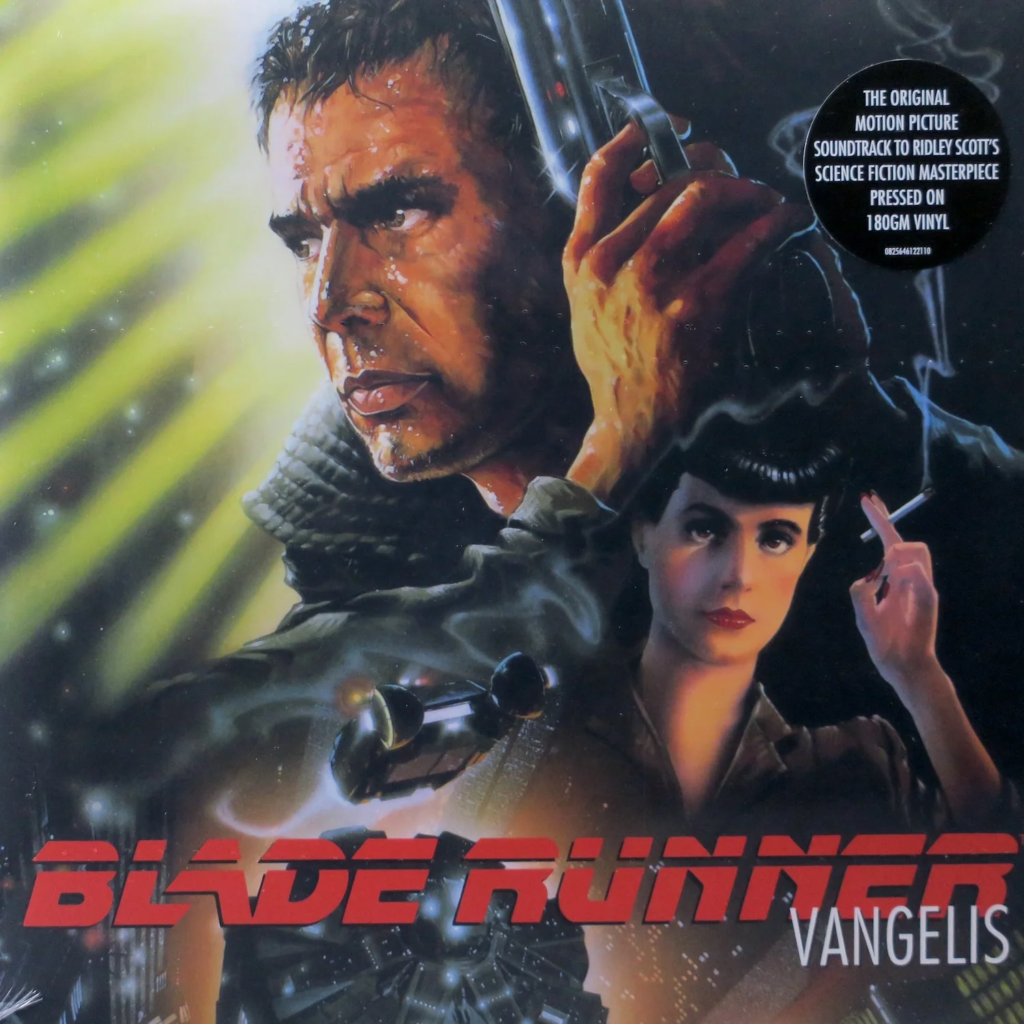
Vangelis forever changed the landscape of film scoring by demonstrating that synthesizers could carry the same emotional weight as a full orchestra. The core of the Blade Runner soundtrack is the Yamaha CS-80 synthesizer, utilizing sweeping low-pass filters and rich sawtooth waves. Vangelis relied on overwhelming synth bass, which requires a strict understanding of fundamental frequencies to prevent the low-end from turning into pure mud in the theater. The resulting dark, industrial atmosphere remains the ultimate blueprint for modern cyberpunk electronic music.
How Does Movie Soundtrack Being Created?
The creation of the best film OSTs is a highly technical, multi-staged process that bridges musical composition and audio engineering.
- Spotting Session: The composer and director watch the film together to establish precise timestamps (SMPTE timecode) for where music should start, peak, and stop.
- MIDI Mockup: The composer builds a digital prototype inside a Digital Audio Workstation (DAW), utilizing high-quality virtual instruments (VSTs) to map out the MIDI orchestration. Or you can use our song arrangement generator to quickly set a structure for your own work.
- Live Tracking: Audio engineers replace or layer the digital prototype with live studio musicians, recording in specialized acoustic halls to capture natural reverb.
- Stem Mixing: Mixing engineers balance the orchestral stems against the film’s dialogue and sound effects to ensure frequency clarity.
| Frequency Range | Cinematic Application | Instrument Examples |
| Sub-Bass (20 – 60 Hz) | Physical impact, fear, scale. | Synth bass, Taiko drums, Double Bass. |
| Low-Mid (200 – 500 Hz) | Warmth, body, thickness. | Cellos, French Horns, Low Woodwinds. |
| High-Mid (2 kHz – 5 kHz) | Attack, presence, melodic focus. | Violins, Trumpets, Lead Synthesizers. |
| Air (10 kHz+) | Spatial awareness, breathiness. | Cymbals, High Choirs, Reverb Tails. |
Tips and Tricks of Writing Your Own Soundtrack
Producers looking to transition into composing best cinematic music must adopt specific workflow habits. Efficiency and organization are just as important as musical theory.
- Use Track Templates: Never start a cinematic project from a blank screen. Create a massive DAW template with all string, brass, and percussion sections pre-loaded and pre-routed to designated bus channels.
- Proper MIDI Routing: When layering multiple string articulations, route MIDI channels efficiently to save CPU overhead. For example, route multiple MIDI inputs into a single instance of Kontakt (e.g., Track 1 to MIDI CH 1 for Staccato, Track 2 to MIDI CH 2 for Legato).
- Manage Polyphony: Cinematic chords are dense. If an arrangement sounds muddy, remove the third interval from the low-register chords, playing only the root and fifth.
- Organize File Structures: Always name audio exports systematically to avoid version control issues with directors (e.g., ProjectName_CueNumber_BPM_Key_Version.wav).
Conclusion
Finding the best movie soundtrack ultimately depends on the specific emotional requirements of the listener. However, the technical brilliance behind the greatest film scores remains objective. By studying how Zimmer utilizes acoustic space, how Shore constructs a leitmotif, and how Vangelis controls analog synthesis, independent beatmakers can vastly improve their production quality. Cinematic music is a masterclass in frequency control, dynamic range, and the psychological impact of sound.
Producer’s Note
Creating a massive orchestral arrangement from scratch takes years of technical practice and expensive VST libraries. If you are a vocalist or content creator looking to skip the complex production phase, you can build your next project on a professional foundation. Explore the Point Prime Recordings Shop to download uncompressed 24-bit WAVs of heavy, moderately aggressive, and deeply atmospheric cinematic beats.
FAQ
The best movie soundtracks of all time include Hans Zimmer’s Interstellar, John Williams’ Star Wars, and Howard Shore’s The Lord of the Rings. These scores are universally acclaimed because they combine massive dynamic range, innovative thematic leitmotifs, and flawless orchestral recording techniques.
The highest-rated original film scores on platforms like iTunes and Amazon Music include James Horner’s Titanic, John Williams’ Star Wars: Episode IV, and Hans Zimmer’s The Dark Knight. These albums maintain top ratings due to their high-fidelity audio engineering, making them reference tracks for audiophiles.
Great instrumental soundtracks for focus include The Social Network by Trent Reznor and Atticus Ross, and Blade Runner 2049 by Hans Zimmer and Benjamin Wallfisch. These scores are highly effective for deep work because they rely on ambient synthesizers and dark drone textures that reduce cognitive distraction.
An epic movie soundtrack relies on dynamic range, heavy low-end brass or synth bass, and a memorable melodic motif. Producers often use massive reverb tails and compound time signatures to build cinematic tension.
Sampling copyrighted film scores without clearance will trigger strict Content ID claims on platforms like YouTube and Spotify. Producers should seek out royalty-free cinematic loops or utilize high-quality orchestral VSTs to compose original melodies.
A film score refers specifically to the original instrumental music composed for the film to accompany the on-screen action. A soundtrack refers to a curated compilation of commercially released songs featuring various artists played during the movie.