
The Best Soundtracks for Working Out: Heavy & Cinematic Scores (2026)

Quick Answer
The best soundtracks for working out rely on driving tempos and heavy low-end frequencies to stimulate the central nervous system. Top choices include Mick Gordon’s industrial metal score for DOOM, the brass-heavy hip-hop fusion of Creed by Ludwig Göransson, and the aggressive analog synthesizer rhythms of Cyberpunk 2077. These soundtracks provide the optimal BPM and aggressive energy needed for heavy weightlifting and intense cardio.
Introduction
Audio became a performance-enhancing variable. Listening to standard, algorithmically generated pop playlists often results in a lack of focus and diminished physical output. For athletes, bodybuilders, and fitness enthusiasts seeking absolute peak performance, cinematic and industrial music provides a superior auditory foundation. By utilizing heavy, tension-building compositions designed specifically to evoke psychological arousal, gym-goers can manipulate their adrenaline levels. This manual provides a highly technical breakdown of the heaviest, most effective cinematic scores for physical training.
Key Takeaways of the Article
- Auditory stimulation directly impacts heart rate and physical endurance.
- Heavy low-end frequencies (sub-bass and heavy percussion) trigger a psychological state of aggression necessary for lifting heavy weights.
- Matching the Beats Per Minute (BPM) of a track to the intended exercise (e.g., 90 BPM for deadlifts, 130 BPM for running) optimizes biomechanical efficiency.
- Cinematic scores utilize dynamic range and tension-release mechanisms to push listeners through physical fatigue.
The Ultimate Workout Soundtrack Database
To categorize these compositions effectively, one must look at the mathematical pacing of the music. The following table provides a reference matrix for selecting the appropriate audio based on the physical task at hand.
| Soundtrack Title | Composer / Artist | Optimal BPM Range | Best Gym Application | Sonic Vibe |
| DOOM (2016) | Mick Gordon | 85 – 110 BPM | Heavy Lifting (1RM) | Industrial Metal, Aggressive, Gritty |
| Creed | Ludwig Göransson | 80 – 130 BPM | Boxing / HIIT | Brass, Trap, Orchestral Hip-Hop |
| Cyberpunk 2077 | Marcin Przybyłowicz | 100 – 120 BPM | Circuit Training | Dystopian, Analog Synth, Distorted |
| Rocky IV | Vince DiCola | 120 – 140 BPM | Steady-State Cardio | 80s Synth-Pop, Triumphant, Driving |
| The Batman | Michael Giacchino | 60 – 80 BPM | Slow Hypertrophy | Dark, Looming, Cinematic Tension |
Top 5 Heavy Soundtracks for the Gym (Producer’s Breakdown)
To understand why these specific albums enhance physical output, it is necessary to analyze their production techniques and frequency responses.
DOOM (2016) / DOOM Eternal (Mick Gordon)
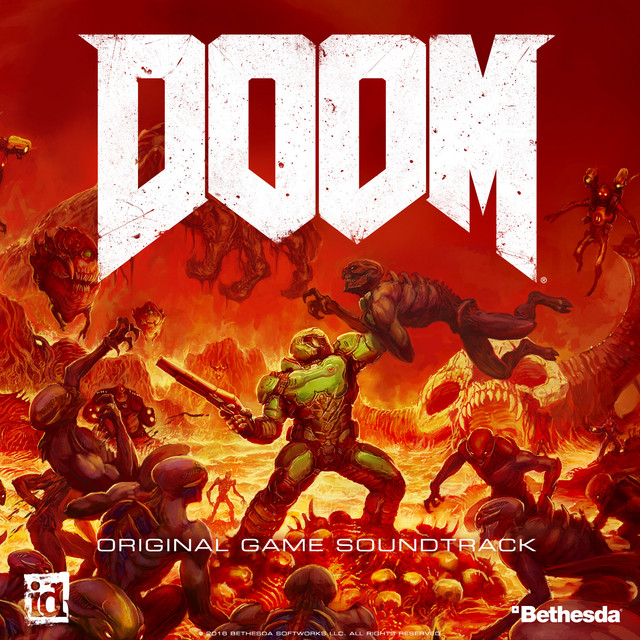
The DOOM franchise features a soundtrack engineered specifically to induce a flow state of high aggression. Mick Gordon utilized heavily down-tuned 8-string guitars running through chains of analog synthesizers and modular distortion units.
- Sonic Analysis: The mix is incredibly dense in the low-mid frequencies (100Hz – 250Hz), providing a feeling of physical weight. The transient response of the kick drums is heavily compressed to punch through the walls of distorted guitars. This wall-of-sound production style triggers an immediate adrenaline response, making it the definitive choice for one-rep max (1RM) attempts on compound lifts like deadlifts and squats.
Creed & Creed II (Ludwig Göransson / Mike Will Made-It)
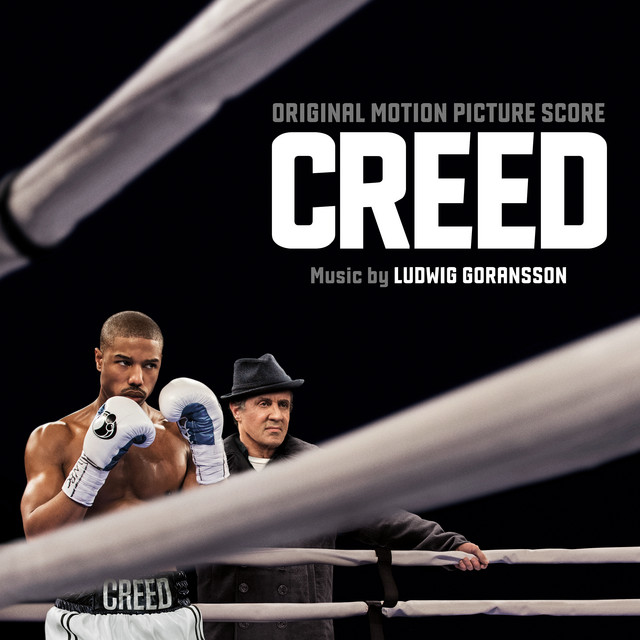
While many consider traditional symphonic works to be the best movie soundtracks, the Creed franchise proves that hybrid orchestral hip-hop is superior for modern athletics.
- Sonic Analysis: Göransson perfectly blended the classic, triumphant brass fanfares of the original Rocky films with modern 808 sub-basses and trap hi-hats. The rhythmic bounce of the hip-hop percussion provides a steady metronome for boxing drills and jump rope, while the swelling orchestral strings provide the emotional motivation needed to push past cardiovascular failure.
Cyberpunk 2077 (Marcin Przybyłowicz, P.T. Adamczyk)

For high-intensity interval training (HIIT), listeners require an unrelenting, mechanical rhythm. The dystopian soundscape of Cyberpunk 2077 provides a masterclass in aggressive electronic production.
- Sonic Analysis: The composers utilized legendary analog synthesizers with aggressive sawtooth waveforms and heavy low-pass filter modulation. The resulting tracks feature a relentless, pulsating sub-bass that dictates a strict, marching pace. The aggressive, metallic sound design provides an industrial energy that perfectly matches the environment of a weight room.
Rocky IV (Vince DiCola)
A historical standard for athletic motivation, Rocky IV abandoned traditional orchestral scoring for cutting-edge 1980s analog synthesis.
- Sonic Analysis: The tracks on this album utilize a driving 4/4 rhythm with frequent triplet subdivisions, creating a forward-leaning groove that naturally synchronizes with the human running gait. The heavy use of bright brass synthesizers (operating in the 2kHz – 5kHz range) cuts through the gym noise, providing a constant psychological uplift during extended cardio sessions.
The Batman (Michael Giacchino)
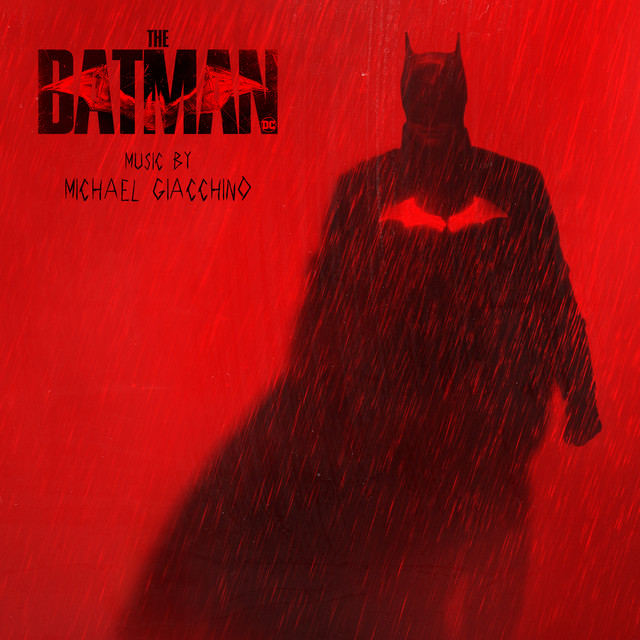
Not all training requires fast tempos. Hypertrophy training (bodybuilding) often relies on time-under-tension (TUT), which requires slow, controlled, and painful repetitions.
- Sonic Analysis: The main theme of The Batman is a slow, looming, and repetitive four-note motif. The orchestration relies heavily on low brass, cellos, and tolling bells, creating an atmosphere of impending force. Listening to a 60 BPM cinematic march forces the lifter to slow down their eccentric movements, maximizing muscle fiber recruitment while channeling a focused, “boss encounter” mentality.
The Science of Workout Music: BPM and Frequencies
The correlation between auditory input and physical output is deeply rooted in human physiology. Soundwaves are essentially mechanical energy, and the human brain naturally attempts to synchronize the body’s autonomic rhythms (like heart rate) with external auditory tempos—a phenomenon known as rhythmic entrainment.
To organize a digital library for optimal training, producers and athletes often sort audio files strictly by their tempo metadata. For those managing massive local libraries of high-fidelity .WAV files, command-line tools can extract this data instantly. For example, using FFmpeg to pull the BPM tag from a file:
ffprobe -v quiet -show_entries format_tags=bpm -of default=noprint_wrappers=1:nokey=1 heavy_track.wav
By categorizing audio files, lifters can build playlists that biomechanically match their specific training days.
Table 2: BPM to Exercise Synchronization Matrix
| Exercise Type | Target BPM Range | Biomechanical Reasoning |
| Yoga / Stretching | 60 – 80 BPM | Promotes deep breathing and slows the heart rate. |
| Heavy Powerlifting | 80 – 100 BPM | Allows for aggressive, explosive bursts with longer rest periods. |
| Jogging / Cycling | 120 – 140 BPM | Synchronizes with the average human footfall/pedal cadence. |
| Sprinting / HIIT | 150 – 170+ BPM | Forces maximal output and rapid cardiovascular turnover. |
💡 Producer’s Note: Fuel Your Workouts
Tired of the same commercial playlists and compressed streaming audio? Build your ultimate gym mix with heavy, high-fidelity instrumentals. If you need massive, moderately aggressive, and dark cinematic beats to power through your next PR attempt, explore the Point Prime Recordings Shop to download uncompressed 24-bit WAVs that will test the limits of your headphones’ sub-bass drivers.
Conclusion
Selecting the appropriate audio for physical training is as critical as selecting the correct footwear. By abandoning random streaming playlists and intentionally programming heavy, cinematic soundtracks, athletes can actively manipulate their psychological state. Whether utilizing the industrial metal crunch of DOOM for heavy deadlifts or the driving analog synths of Cyberpunk 2077 for intense cardio, understanding the relationship between frequency, BPM, and physical exertion will result in vastly improved gym performance.
FAQ
For heavy compound movements like squats and deadlifts, the optimal tempo is typically between 80 and 100 BPM. This slower, driving tempo (often found in heavy hip-hop or doom metal) allows the lifter to mentally prepare, brace their core, and execute an explosive movement on a heavy downbeat.
For steady-state cardio, such as jogging or the elliptical machine, a BPM range of 120 to 140 is highly recommended. This tempo directly correlates with the average human foot strike rate, allowing the runner to physically lock into the groove of the music, which reduces perceived exertion.
Cinematic music is explicitly composed to manipulate emotions and build extreme tension. Unlike pop music, which relies on predictable structural loops, film scores utilize massive dynamic shifts, heavy orchestral percussion, and rising crescendos. This constant building of tension provides the psychological motivation required to push past physical barriers in the weight room.