Mixing vs Mastering: What’s the Difference? (A Producer’s Guide)
Introduction
When a producer completes the recording and arrangement phases of a song, the raw audio is rarely ready for commercial distribution. Transforming those raw studio recordings into a polished, radio-ready release requires two distinct technical phases. However, beginners often blur the lines between these processes, assuming they are identical steps. Understanding the concept of mixing and mastering is the absolute foundation of professional audio production.
This tutorial explores what is mixing and audio mastering, examining the specific tools, digital workflows, and primary objectives of each stage. By defining the exact difference between mixing and mastering, producers can optimize their studio workflow and achieve industry-standard sound quality. Ultimately, executing proper music mixing and mastering is the only way to ensure a track translates perfectly to any speaker system in the world.
What is Audio Mixing?
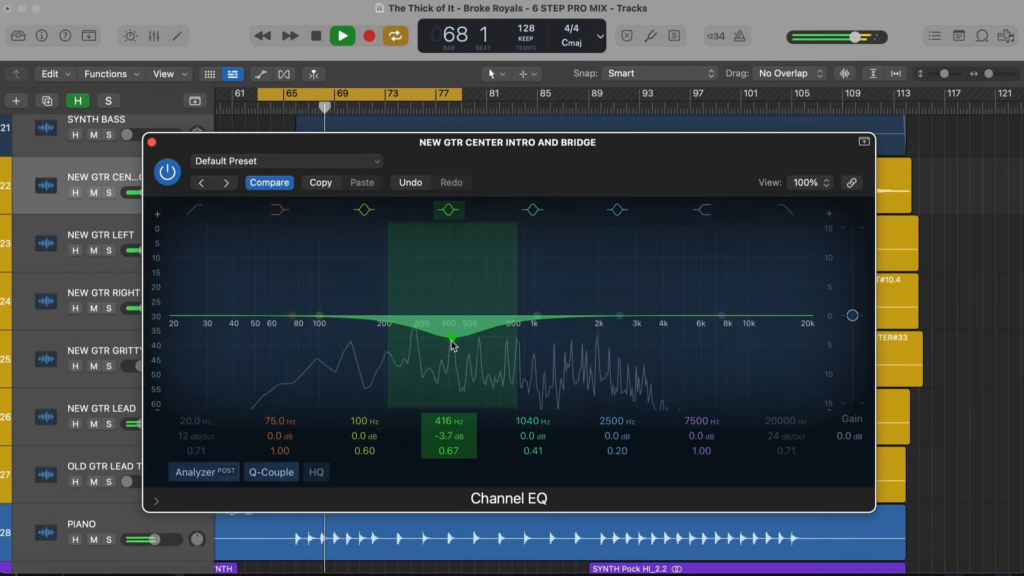
Before exploring the final polish of a record, one must first ask: what is mixing in music? The definition of mix refers to the intricate process of taking multiple individual recorded tracks—such as drum stems, basslines, rhythmic synthesizers, and lead vocals—and blending them together into a single, cohesive stereo file.
During the mixing phase, the audio engineer focuses heavily on internal balance, frequency allocation, and spatial positioning. The overarching goal is to ensure that every individual instrument can be heard clearly without clashing with other elements in the arrangement. A professional sound mixing and mastering workflow always begins with a robust, well-balanced mixdown.
Audio engineers utilize a highly specific set of tools during this stage to achieve clarity:
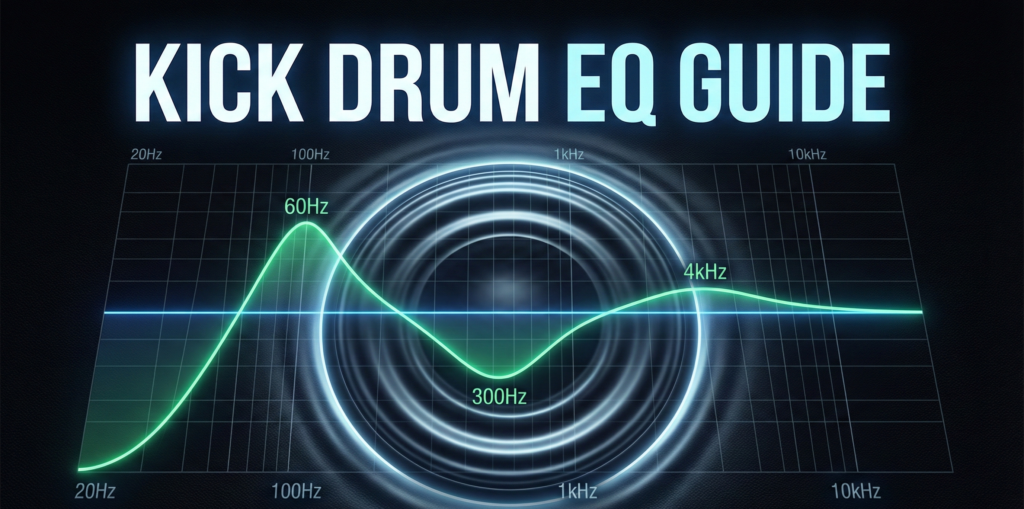
- Equalization (EQ): Used to carve out specific frequency ranges and resolve acoustic conflicts. For example, an engineer will use specific kick drum EQ techniques to carve out low frequencies, making sufficient room for the bass guitar without muddying the track.
- Dynamic Compression: Used to strictly control the dynamic range (the difference between the loudest and quietest parts) of an instrument, ensuring the volume remains consistent throughout the entire track.
- Spatial Panning: Placing instruments strategically in the left, right, or center of the stereo field to create width and physical separation between sound sources.
- Time-Based Effects: Applying artificial reverb and delay to create a sense of three-dimensional depth, acoustic space, and emotional atmosphere.
To keep massive digital sessions organized and speed up the workflow, audio engineers rely on strict routing directories and a handy mixing cheat sheet. Below is an example of standard multitrack routing nomenclature within a Digital Audio Workstation (DAW):
- 01_KICK_DRUM_MONO.wav
- 02_SNARE_TOP_MONO.wav
- 03_BASS_SYNTH_STEREO.wav
- 04_RHYTHM_GUITAR_LEFT.wav
- 05_LEAD_VOCAL_DRY.wav
What is Audio Mastering?
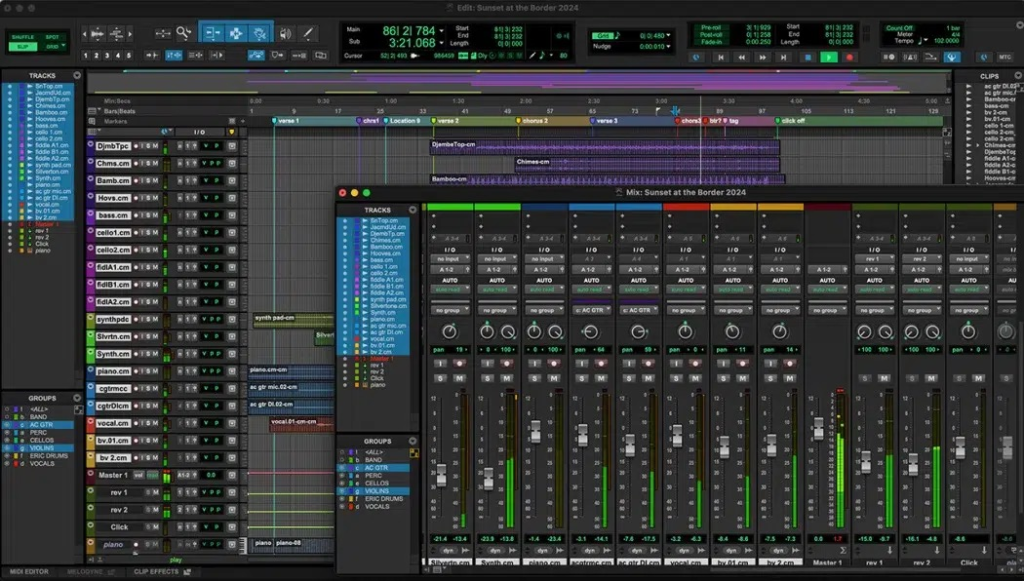
Once the intricate mixdown is complete and exported to a single high-resolution stereo file, the project moves to the final stage of production. To fully understand the process of mastering music, one must view it as the ultimate quality control, error-checking, and final enhancement phase.
The primary objective of mastering is to optimize the final stereo mix so that it sounds consistent, powerful, and balanced across all consumer playback formats—whether streamed on a standard smartphone speaker, played in a booming nightclub, or broadcasted on terrestrial radio. In other words, a master engineer needs to finalize the sonic characteristics, achieve competitive loudness, and prepare the audio for mass distribution (and if you are updating an older release with modern technology, you might also explore what remastered means).
Music mastering requires a completely different psychological approach and a specialized toolset. While a mixing engineer adjusts dozens of individual instruments, a mastering engineer processes the entire song as one unified piece of audio.
Key technical elements of this final phase include:
- Broad Equalization: Making very subtle tonal adjustments to the overall track, such as adding high-end “air” for brilliance or smoothly taming excessive low-end rumble that could damage physical speakers.
- Multiband Compression: Controlling wild dynamic fluctuations within highly specific frequency bands to glue the entire mix together tightly.
- Limiting and Maximization: Maximizing the overall volume to meet commercial streaming standards (measured in LUFS, or Loudness Units relative to Full Scale) without causing digital clipping or unpleasant distortion.
- Sequencing and Dithering: Adding ISRC metadata codes, applying appropriate dithering for sample rate conversion, and sequencing album gaps.
Top-tier mastering facilities often utilize highly specialized analog mastering equipment — such as high-voltage mastering compressors, pristine digital-to-analog converters, and passive equalizers—to impart a final layer of analog warmth and commercial sheen to the digital file.
Mixing vs Mastering: The Key Differences
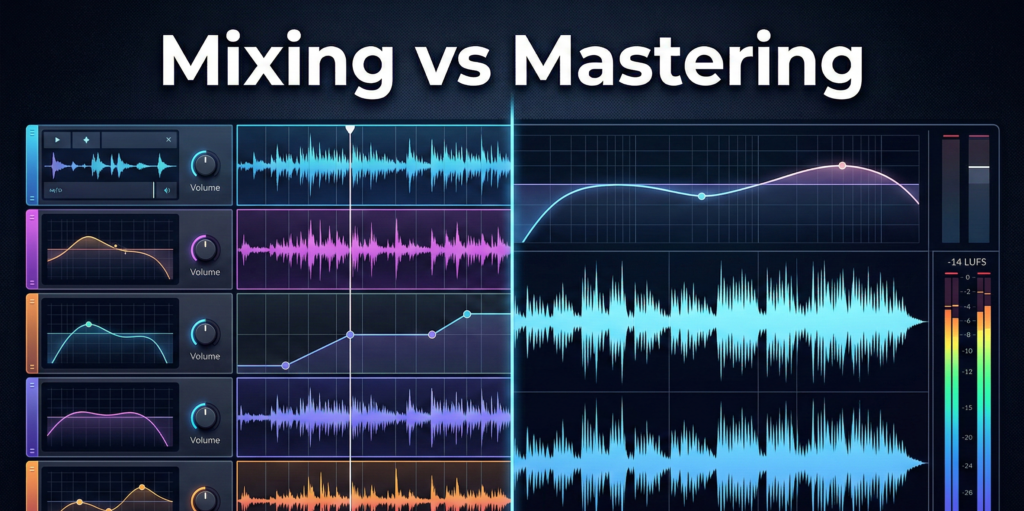
To quickly summarize the core concepts detailed above, it is helpful to look at the mixing-mastering parameters side-by-side. The reference table below clearly illustrates the differences between mixing and mastering based on technical focus, primary goals, and daily workflow.
| Technical Feature | Audio Mixing Phase | Audio Mastering Phase |
| Source Material | Multiple individual multitracks (stems). | A single, final stereo file (the mixdown). |
| Primary Goal | Internal balance, blend, and emotional impact. | Polish, translation, and commercial loudness. |
| Perspective Focus | Micro-level (e.g., adjusting a single snare drum). | Macro-level (e.g., adjusting the entire song). |
| Common Tools | Channel EQ, Panning, Reverbs, Delays, Saturation. | Brickwall Limiters, Multiband Compressors, LUFS Meters. |
| Final Output | A single stereo file (WAV) retaining dynamic headroom. | A finalized file ready for Spotify, Apple Music, or Vinyl. |
Analyzing this dichotomy through this specific lens clarifies exactly why the two processes require different acoustics and cannot easily be combined into a single, automated step.
Common Myths About the Production Process
There always were several persistent misconceptions hinder beginner producers from achieving professional results. Especially in the amateur music scene.
“We will fix it in the master.”
This is arguably the most destructive myth in modern music production. A mastering engineer cannot magically fix fundamental acoustic balance issues. If the lead vocal is buried behind loud electric guitars during the mixing stage, applying a heavy limiter during the mastering stage will only make the problematic guitars louder and more abrasive. A phenomenal master strictly requires a phenomenal mix.
Mixing and mastering are the same workflow.
Many beginners assume that mixing and mastering is a single button press or an AI preset applied to the master output bus. Attempting to mix and master simultaneously inside the same project file often leads to a severe loss of objective perspective, resulting in a track that sounds dynamically crushed and fatiguing to the listener.
Maximum loudness equals premium quality.
While modern pop releases are incredibly loud, pushing a digital limiter too hard during the mastering and mixing stages actively destroys the song’s transient impact and dynamic range. Modern streaming platforms employ strict loudness normalization algorithms, which will automatically turn down an overly compressed track, rendering the aggressive limiting entirely pointless.
Should You Mix and Master Your Own Beats?
A frequent question among independent artists is whether a single individual should handle both song mixing and mastering. From a purely technical standpoint, a producer can perform both tasks inside a standard Digital Audio Workstation.
However, industry professionals who routinely mix their music themselves generally advise against this solitary approach. The primary reason is auditory fatigue. After spending thirty hours adjusting the equalization of individual high-hats and snares, the human brain loses its objective listening capabilities. Handing the stereo mixdown to an entirely separate, dedicated mastering engineer provides a fresh, unbiased set of ears in a completely different acoustic environment. A dedicated professional can easily identify low-frequency build-ups or stereo phase issues that the original producer may have become entirely blind to over weeks of repetitive listening.
For independent producers creating instrumentals or beats for commercial leasing, the standard industry practice is to deliver a highly polished mix with a very light, transparent master. This workflow ensures the instrumental sounds impactful for potential buyers but deliberately leaves enough dynamic headroom for the recording artist and their vocal engineer to add lead vocals later.
Conclusion
In summary, mixing and mastering are the two crucial, interconnected halves of the audio post-production pipeline. Mixing is the highly creative art of assembling the sonic puzzle—meticulously balancing volume, frequencies, and spatial placement so that every single instrument sits perfectly in the digital arrangement. Conversely, mastering is the final, objective coat of polish—strictly optimizing that assembled puzzle for sheer volume, tonal consistency, and format translation across the globe.
By respecting the strict technical boundaries between these two unique disciplines, audio professionals ensure their music reliably meets commercial industry standards and provides the best possible listening experience for the end consumer.
FAQ
While technically possible using modern software routing, it is highly discouraged by audio professionals. Combining the processes entirely eliminates the objective quality control and critical listening that a separate, dedicated mastering phase provides.
No. Standard audio mastering requires only the final stereo mixdown (typically delivered as a high-resolution 24-bit WAV file). If an engineer requests individual instrument stems, they are technically performing a “stem mastering” or a hybrid mixing process.
Most professional mastering engineers request that the final stereo mix peaks anywhere between -6dB and -3dB on the master channel. This crucial headroom prevents digital clipping and allows the engineer enough dynamic space to utilize their high-end mastering equipment effectively.