What is BPM in Music? (A Complete Guide for Producers)
Introduction
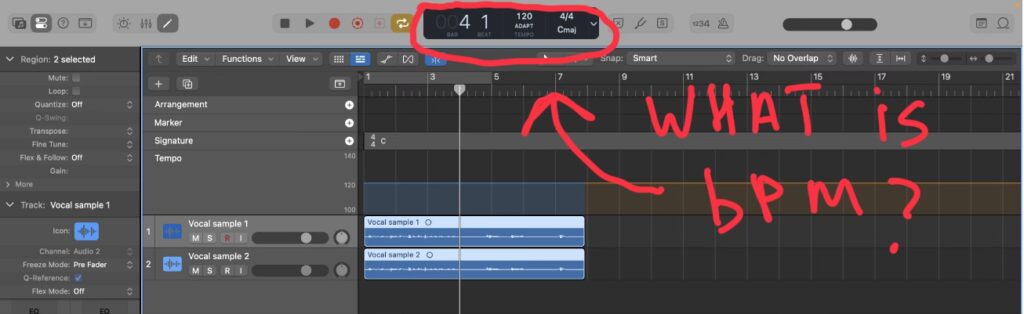
Music relies heavily on emotion, but its foundational structure is built entirely on mathematics and time. Before adjusting equalizers, recording vocals, or programming synthesizers, an audio producer must establish the fundamental pulse of the track. Without a synchronized temporal grid, even the most beautifully recorded instruments will sound chaotic and unorganized. Therefore, understanding what bpm is in music is the first mandatory step for anyone opening a Digital Audio Workstation (DAW) for the very first time. This tutorial explores the technical parameters of tempo, demonstrating how time dictates genre, workflow, and the entire audio engineering process.
Key Takeaways
- Tempo serves as the mathematical foundation for all modern digital music production.
- The tempo strictly dictates the spatial groove and the physical energy of the arrangement.
- Modern genres, specifically Trap and Drill, utilize specialized tempo workflows to achieve their signature rhythmic bounce.
- Time-based mixing effects (like delay and reverb) must be mathematically synchronized to the track’s tempo to prevent audio muddiness.
Direct Answer
What is a bpm? It is the standard unit of measurement used to quantify the tempo, or the speed, of a piece of audio. It precisely counts how many quarter-note beats occur within a single 60-second time frame, establishing the exact grid that digital audio software relies upon to align samples and MIDI notes.
The Definition: What Does BPM Stand For?
In professional audio terminology, bpm stands for Beats Per Minute. To understand the music theory of tempo, it heavily relies on, one can look at the human heartbeat. The heartbeat is a universally understood metric of pacing. A resting heart rate might sit around 60 beats per minute, creating a calm, slow, and relaxed state. Conversely, during intense physical exercise, a heart rate might elevate to 130 beats per minute or higher, representing high energy and urgency.
The bpm music meaning functions in the exact same manner. If a DAW is set to 120 BPM, it dictates that there will be exactly 120 steady pulses within one minute of playback. This tempo grid ensures that when a producer layers a drum loop over a vocal recording, both elements lock into the exact same rhythmic timeline. When analyzing what does bpm mean in music, it is simply the universal speedometer for audio. By establishing exactly what is beats per minute, producers guarantee that every musician, synthesizer, and digital effect operates in total rhythmic synchronization.
“Tempo is the invisible conductor of the track. It dictates not just the speed, but the breathing room for every single transient and frequency in the mix.” — A foundational principle widely taught in modern audio engineering handbooks.
How BPM Defines Music Genres
Different tempos evoke drastically different psychological responses. Therefore, professional reference often serves as the primary identifier for specific musical genres.
Below is a table illustrating how music standards categorize different BPM styles, with a specific focus on the core genres utilized by modern independent producers:
| Music Genre | Standard BPM Range | Characteristics & Vibe |
| Cinematic / Ambient | 60 – 90 BPM | Slow, atmospheric, and expansive. Allows maximum space for long synthesizer chords and lush reverb tails. |
| Classic Hip-Hop / Boom Bap | 80 – 100 BPM | Heavy groove, moderate pacing. Leaves significant sonic space for complex lyrical delivery and boom-bap drum swings. |
| House / EDM | 120 – 130 BPM | The global club standard. Fast enough to encourage dancing, maintaining a relentless “four-on-the-floor” kick drum pattern. |
| Trap / Drill | 130 – 150+ BPM | Highly energetic. Programmed using a double-time workflow to allow for extremely fast, rolling hi-hat patterns. |
Double-Time vs. Half-Time Explained
You must also understand how modern producers manipulate that grid. This is especially prevalent in Hip-Hop and Trap production.
A traditional Boom Bap beat might sit at 80 BPM. However, a modern Trap beat that feels like it is playing at 70 BPM is almost always programmed at 140 BPM in the DAW and higher. This is known as a “double-time” workflow.
Why do producers double the tempo? By setting the project to 140 BPM instead of 70 BPM, the DAW grid becomes twice as fine. This allows the beatmaker to program the hyper-fast, complex hi-hat rolls that define the Trap genre. The snare drum, which traditionally lands on beats 2 and 4 in a standard tempo, is instead placed on beat 3 in a double-time tempo, anchoring the groove while the hi-hats fly at high speeds. While trap often relies on a rigid 4/4 grid in double-time, producers exploring cinematic or alternative grooves might shift to a 12/8 time signature for a completely different rhythmic feel.
How to Find the BPM of a Song
If a producer is sampling a vintage vinyl record, they must determine the original tempo to sync it with their modern project. There are two primary methods to find the BPM in song:
1. Tap Tempo
Almost every modern DAW features a “Tap” button. The producer listens to the audio and repeatedly clicks their mouse or taps a MIDI key in time with the perceived pulse of the music. The software calculates the average time between taps and outputs the desired BPM.
2. DAW Detection Algorithms
Modern software includes powerful transient detection algorithms. By importing a sample, a producer can prompt the software to analyze the waveform.
Plaintext
# Example command sequence in a typical DAW to detect tempo:
Right-Click Audio Region -> Detect Tempo -> Analyze Audio Dynamics -> Set Project Tempo to Match
Why BPM Matters for Mixing (Crucial Section!)
Many beginners assume that the tempo in music only matters during the beat-making or recording phase. However, the tempo is arguably the most critical mathematical component during the audio mixing phase.
Audio engineers utilize effects like Delay (echoes) and Reverb (room reflections) to create three-dimensional space. If a producer applies a vocal delay, those echoing repetitions must land perfectly on the mathematical grid. If the tempo is 120 BPM, and a delay is arbitrarily set to 314 milliseconds, the echoes will fall completely out of time with the drums, ruining the track’s groove and creating a muddy, unprofessional mix.
To ensure precision, an engineer must calculate the exact millisecond values that correspond to the project’s tempo. To get perfect delay tails and reverb pre-delays, professionals use a BPM to Milliseconds converter tool to translate the project tempo into exact mathematical values.
Below is an example of how tempo dictates exact millisecond timings for a standard 120 BPM project:
| Note Value | Millisecond Timing at 120 BPM | Common Mixing Application |
| 1/4 Note | 500.0 ms | Long, rhythmic vocal delays. |
| 1/8 Note | 250.0 ms | Standard synthesizer echoes. |
| 1/16 Note | 125.0 ms | Fast slapback delays for guitars. |
| 1/64 Note | 31.2 ms | Reverb pre-delay (separating vocals from the room). |
Synchronizing time-based effects to the song tempo is a fundamental technique covered heavily when examining the difference between mixing vs mastering. A clean mix relies on mathematical timing, while mastering simply polishes that established foundation.
Conclusion
Understanding what is bpm in music is the absolute baseline of modern audio production. The bpm meaning encompasses far more than just a simple metronome click; it is the architectural framework of the entire song. From dictating the energetic genre of the track to determining the exact millisecond values required for a crystal-clear mixdown, the tempo guides every decision a producer makes. By mastering the grid, producers ensure their bpm songs translate into powerful, rhythmic, and professional audio experiences.
There is no single “normal” tempo. However, 120 BPM is widely considered the standard, middle-ground tempo for modern pop and electronic music, simulating an upbeat walking pace.
Yes. A song can feature a tempo change, known as tempo automation in a DAW. This technique is frequently utilized in cinematic film scores and progressive rock to dramatically shift the emotional energy.
If using raw audio tape or vinyl, changing the speed also changes the pitch. However, modern digital software uses complex “time-stretching” algorithms, allowing producers to change the tempo independently without altering the audio’s pitch.